
Overview
A tax-cutting proposition is set to appear on California's November ballot, targeting two types of taxes that impact cities and taxpayers statewide. The measure primarily aims at the city of Los Angeles and its recently implemented "mansion tax."
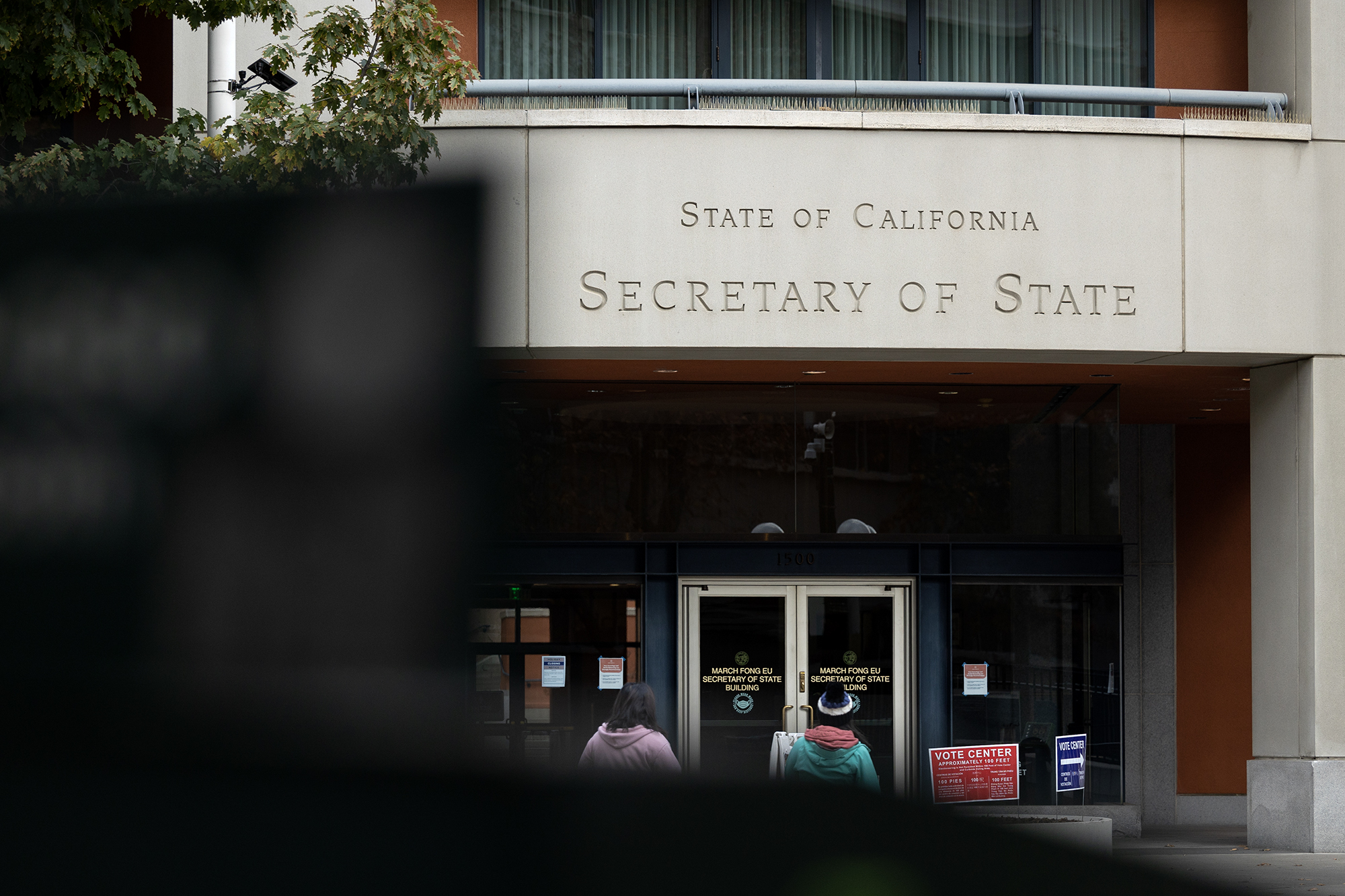
The proposition, which has been in the works for years, has now been confirmed as eligible for the ballot by California's secretary of state. It has sparked concern among city governments and public sector unions, while anti-tax advocates and real estate developers may welcome its potential passage.
Key details
- The measure is known as the "Local Taxpayer Protection Act" and is sponsored by the Howard Jarvis Taxpayers Association.
- It aims to cap municipal transfer taxes and complicate efforts to raise taxes through voter-sponsored initiatives.
- Cities like Berkeley, San Mateo, and Alameda, which depend on transfer taxes for funding, would be significantly impacted.
- An analysis from the Legislative Analyst’s Office indicates local governments could lose a couple of billion dollars annually due to the measure.
- Taxpayers could collectively save a similar amount if the measure passes.
- The focus of the debate is on Los Angeles's "mansion tax," or Measure ULA, which imposes a 4% tax on real estate sales over $5 million and 5.5% on those above $10 million.
- Measure ULA has generated over $1 billion in revenue within three years, funding affordable housing projects.
- Critics argue that the mansion tax has led to a slowdown in new construction in Los Angeles, particularly for affordable housing.
- The tax applies not only to mansions but also to apartments, condos, and commercial developments.
- Jon Coupal, president of the Howard Jarvis Taxpayers Association, likened the mansion tax to a significant burden for developers and investors.
- California's Democratic lawmakers are reportedly considering negotiations to prevent the measure from reaching the ballot.
- The primary election in California is approaching, prompting voters to prepare for the upcoming vote.
Context
The tax-cutting proposition comes amid ongoing debates about taxation and funding for public services in California. The potential impacts of the measure raise questions about local government revenue and the future of housing development in the state.
What happens next
As the election approaches, discussions among lawmakers may intensify in an effort to negotiate a solution that could keep the measure off the ballot, although its backers have indicated a lack of interest in such negotiations.
What we don't know yet
Details on the specific negotiations between lawmakers and measure proponents, as well as the potential impacts on future housing projects in Los Angeles and other cities, remain unconfirmed.




Comments (0)
Leave a Comment