
Overview
The race for Assembly District 67, which encompasses areas from Cerritos to Fullerton and parts of Anaheim, has emerged as one of the most costly contests in the upcoming June primary. With incumbent Assemblymember Sharon Quirk-Silva terming out, significant financial backing from billionaires and Big Tech is shaping the dynamics of the election.
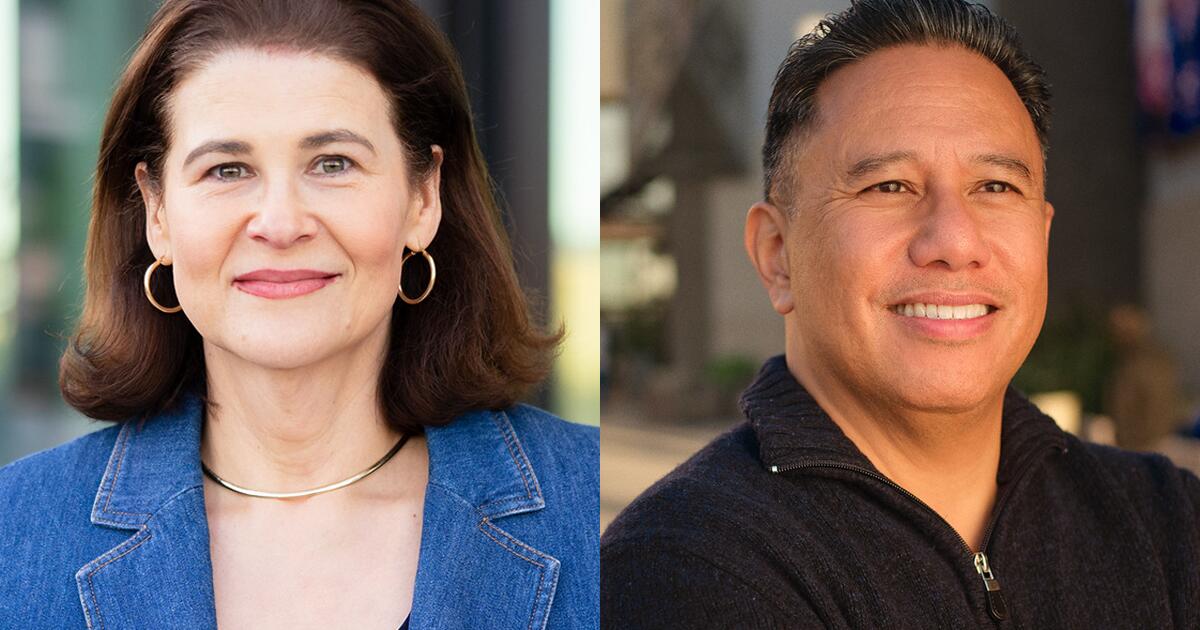
Mark Pulido, a Cerritos City Council member, and Ada Briceño, co-president of Unite Here Local 11, are the main candidates vying for a spot in the top-two runoff this November. Both candidates have attracted considerable political action committee (PAC) spending, influencing the race's financial landscape.
Key details
- The 67th Assembly District includes Cerritos, Fullerton, and parts of Anaheim.
- Assemblymember Sharon Quirk-Silva is terming out, prompting a competitive race.
- Mark Pulido and Ada Briceño are the primary candidates for the district.
- Pulido has received approximately $4 million in independent expenditures, according to campaign finance records through May 14.
- Independent expenditures are funds that cannot be coordinated with candidates under the law.
- Christian Larsen, a crypto billionaire, and Timothy Draper, a venture capitalist, are behind the Grow California PAC, which has contributed $1.6 million to support Pulido.
- California Leads, a new PAC funded by tech giants like Google and Meta, has invested nearly $1.3 million in support of Pulido.
- Airbnb's PAC has also contributed about $675,000 to Pulido's campaign.
- Pulido asserts that his loyalty lies with his constituents rather than the PACs funding his campaign.
- Ada Briceño has criticized the influx of corporate cash, claiming it aims to undermine her candidacy.
- Briceño describes herself as a proud immigrant and labor leader, asserting that corporate attempts to influence the district will fail.
- The election is set for the June primary, with a potential runoff in November.
Context
The significant financial contributions from billionaires and major tech companies reflect the increasing influence of outside money in local elections, raising questions about the impact on candidate integrity and voter representation.
What happens next
As the June primary approaches, candidates will continue to campaign and respond to the financial dynamics of the race, with the potential for a runoff in November depending on the primary results.
What we don't know yet
Details about the total amount of spending by all PACs and the specific strategies employed by each candidate are not confirmed.



Comments (0)
Leave a Comment