

Overview
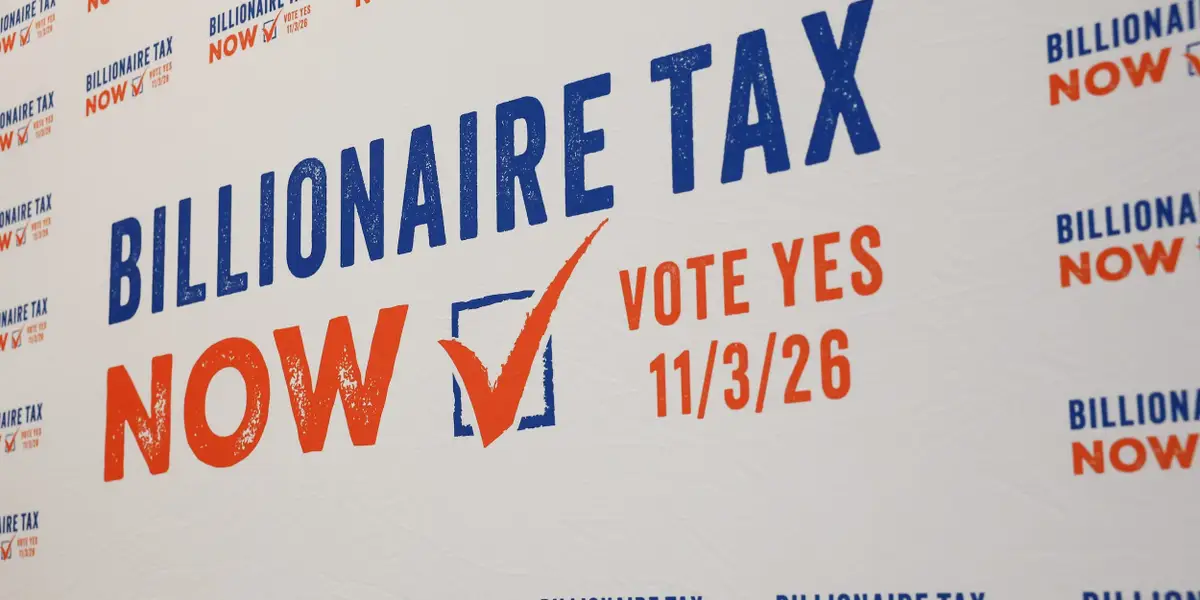
A proposed billionaire tax in California has garnered enough signatures to make it onto the November ballot. This measure, which aims to levy a one-time 5% tax on residents with assets exceeding $1 billion, has sparked significant controversy, particularly regarding its potential economic impact.
A recent study commissioned by Stop the Squeeze, a committee opposing the tax, indicates that the tax could lead to substantial job losses and a significant decline in wages across the state.
Key details
- The billionaire tax measure is supported by the Service Employees International Union–United Healthcare Workers West.
- It proposes a one-time 5% tax on California residents with assets over $1 billion.
- The tax is intended to fund healthcare, public education, and food assistance programs in California.
- A study estimates that over 108,000 jobs could be lost if the tax is implemented.
- The same analysis predicts a loss of $28 billion in wages for Californians.
- At least 40 ultra-wealthy individuals are expected to leave California as a result of the tax.
- This exodus could result in the loss of half of the $2 trillion in assets held by the state's billionaires.
- Job losses are attributed to office relocations and reduced consumer spending due to the departure of wealthy individuals.
- The study forecasts a $12 billion annual loss in personal income tax revenue by 2046.
- Over the next two decades, the cumulative loss in tax revenue is estimated at $122 billion.
- Lower tax revenues could negatively impact public services in California.
- Polls suggest that a majority of Californians currently support the billionaire tax proposal.
Context
The study was conducted by Stop the Squeeze, a committee led by consultants with ties to Governor Gavin Newsom, who has publicly opposed the tax initiative. The findings highlight concerns about the broader economic implications of the proposed tax.
What happens next
The billionaire tax measure will be presented to voters in the upcoming November ballot, where public opinion will play a critical role in determining its future.
What we don't know yet
Details regarding the specific impacts on public services and how the tax revenue would be allocated are not confirmed. Additionally, the full extent of the potential economic fallout remains unclear.



Comments (0)
Leave a Comment