
Overview
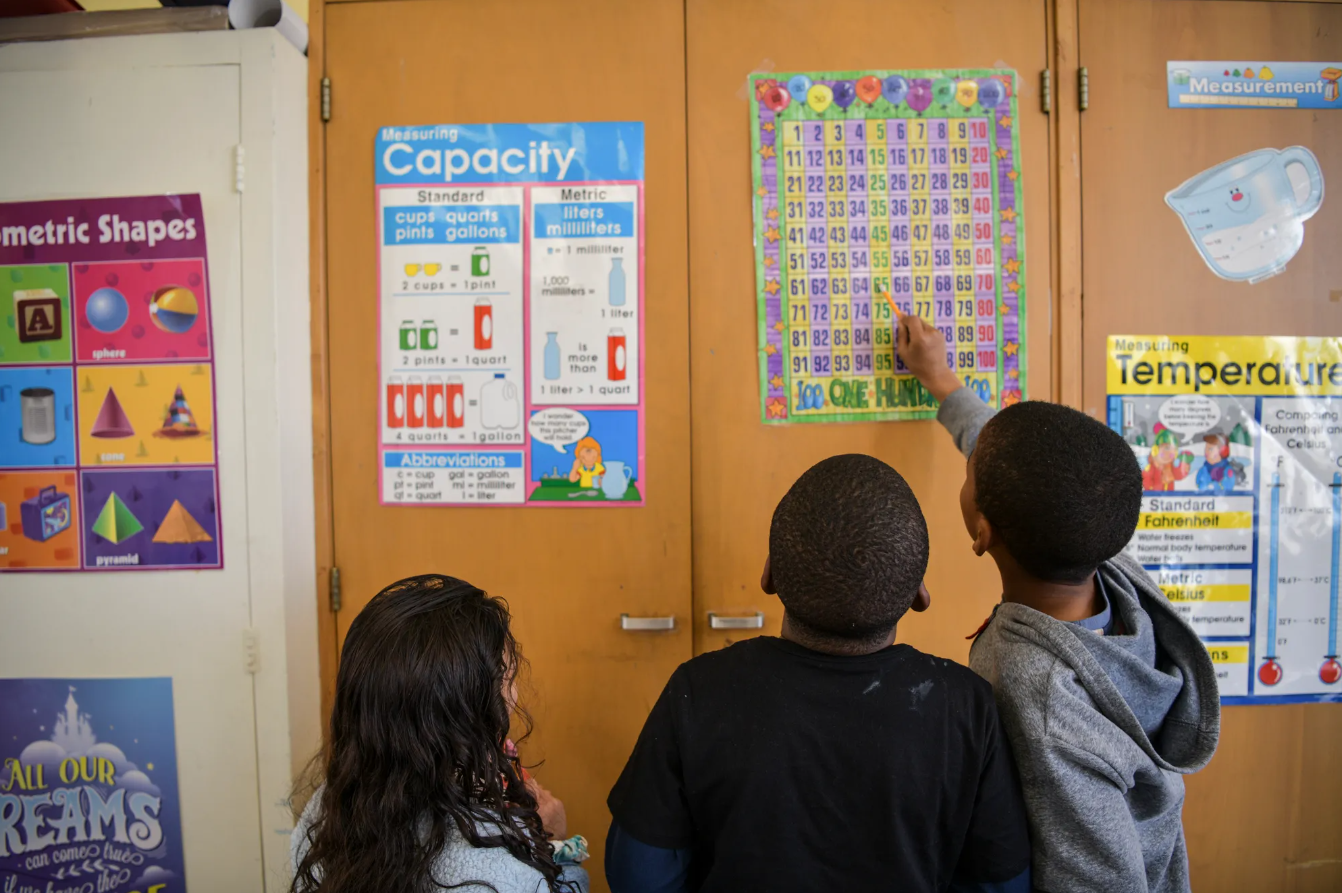
California is facing significant challenges in math education, with recent statistics revealing that only 37% of students are performing at grade level. In response, a new legislative proposal, Senate Bill 1067, seeks to implement screening for math skills among kindergartners and early elementary students.
The bill aims to identify students who may need additional support in mathematics to help them catch up to their peers, particularly those who have had less exposure to math before starting school.
Key details
- California's math scores are notably low, with only 37% of students meeting grade-level expectations.
- Senate Bill 1067 proposes screening kindergartners, first, and second graders for basic math skills.
- The bill emphasizes providing extra help to students who are behind in math.
- Amy Cooper from EdVoice highlights the importance of early math skills as predictors of later academic success.
- The legislation aims to support students without labeling or tracking them.
- California ranks 43rd in the nation for 4th-grade math scores.
- Last year, only 16% of Black 11th-graders met the state's math standards.
- Experts attribute poor math performance to an uneven early education landscape.
- Transitional kindergarten is now available to all 4-year-olds, but it remains optional.
- Children entering kindergarten have varied levels of math exposure, affecting their readiness.
- Low-income children are less likely to have early math exposure, widening the achievement gap.
- Research indicates that early math skills can influence future academic and job opportunities.
Context
The introduction of Senate Bill 1067 follows a recent overhaul of California's reading instruction methods, indicating a broader focus on improving educational outcomes in the state.
What happens next
As the bill progresses, it will be crucial to monitor its implementation and the potential impact on early math education across California's schools.
What we don't know yet
Details on the specific implementation of the screening process, the timeline for the bill's passage, and the potential funding sources for additional support remain unconfirmed.



Comments (0)
Leave a Comment