
Overview
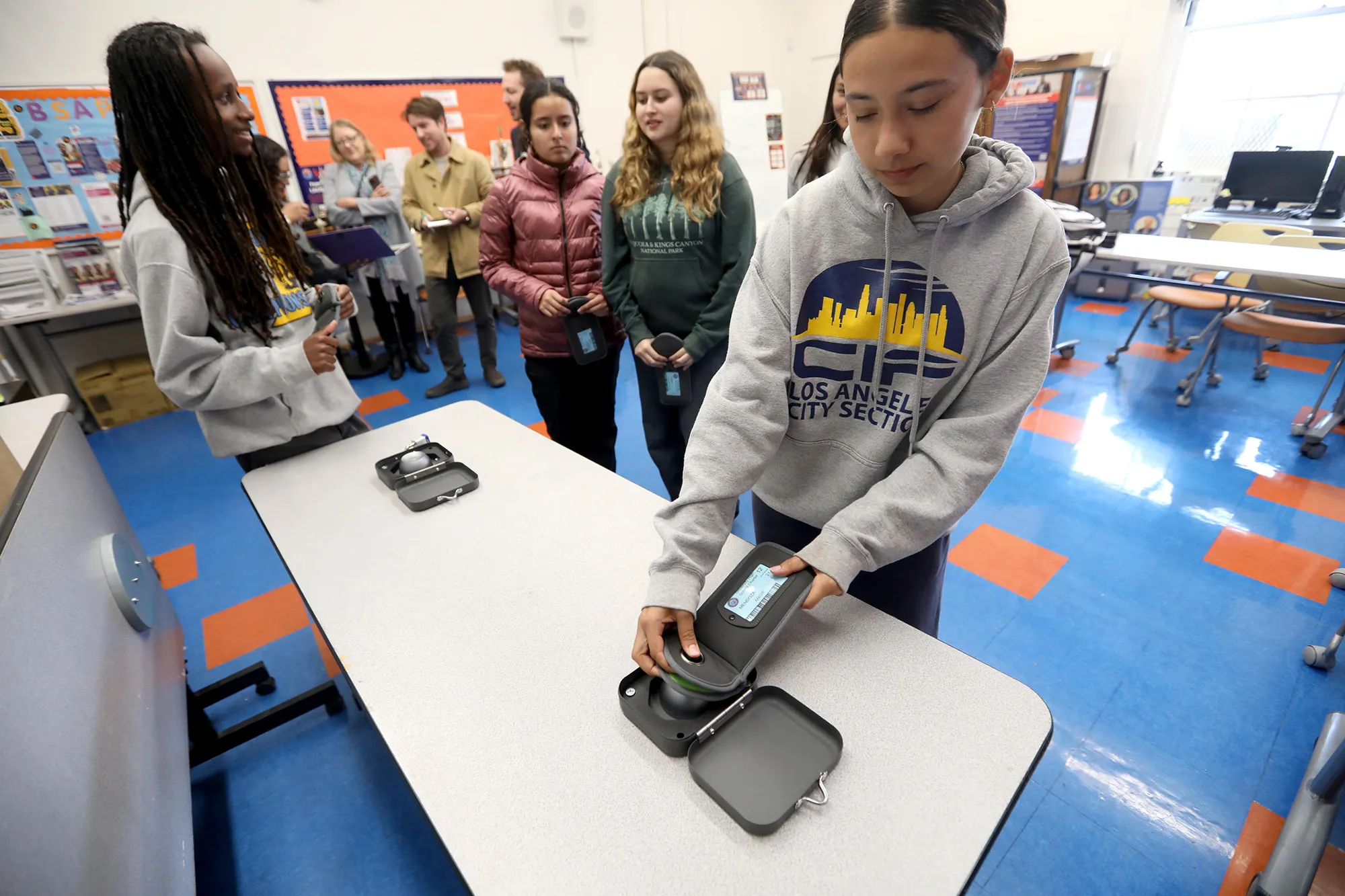
California high schools have received a reprieve from a proposed bill aimed at banning student cell phone use during school hours. This decision comes after considerable pressure from school boards and administrators, who argued against a blanket policy that would apply to all districts.
The proposal, known as AB 1644, was designed to address concerns over the negative impact of cell phone use on students' mental health and learning capabilities. However, lawmakers have opted to scale back the bill, allowing existing policies to remain in place.
Key details
- The proposed bill aimed to ban student cell phone use in all K-12 schools in California.
- Studies indicate that cell phone distractions can adversely affect students' mental health and focus.
- Assemblymember Al Muratsuchi, a Democrat from Torrance, expressed disappointment over the bill's scaling back.
- AB 1644 was intended to build on an existing law that already requires schools to limit cell phone use.
- School boards and administrators opposed the bill, citing the need for tailored policies that meet the specific needs of their students.
- Opponents argued that a uniform policy would undermine local governance and existing regulations.
- The existing law requiring limited cell phone use is set to take effect in July.
- Concerns were raised that having two conflicting laws could create confusion for school staff.
- The Association of California School Administrators criticized the bill for causing unnecessary frustration and confusion.
- The bill would have mandated that all schools develop policies to ban cell phone use on campus and during school-related trips.
- Muratsuchi noted a growing global concern regarding the detrimental effects of excessive cell phone use among students.
- The debate reflects ongoing discussions about balancing technology use and educational effectiveness.
Context
The discussion surrounding cell phone use in schools has gained traction as research highlights its potential negative effects on student well-being and academic performance. The existing law already seeks to address these issues, but the proposed changes aimed to enforce stricter regulations across the board.
What happens next
With the scaling back of AB 1644, schools will continue to implement their own policies regarding cell phone use as mandated by the existing law, which is set to take effect in July. The conversation around this issue is likely to continue as educators and lawmakers seek effective solutions.
What we don't know yet
Details regarding the specific policies that individual schools will implement and how they will address cell phone use are not confirmed. Additionally, the long-term impact of the existing law on student behavior and academic performance remains unclear.



Comments (0)
Leave a Comment