
Overview
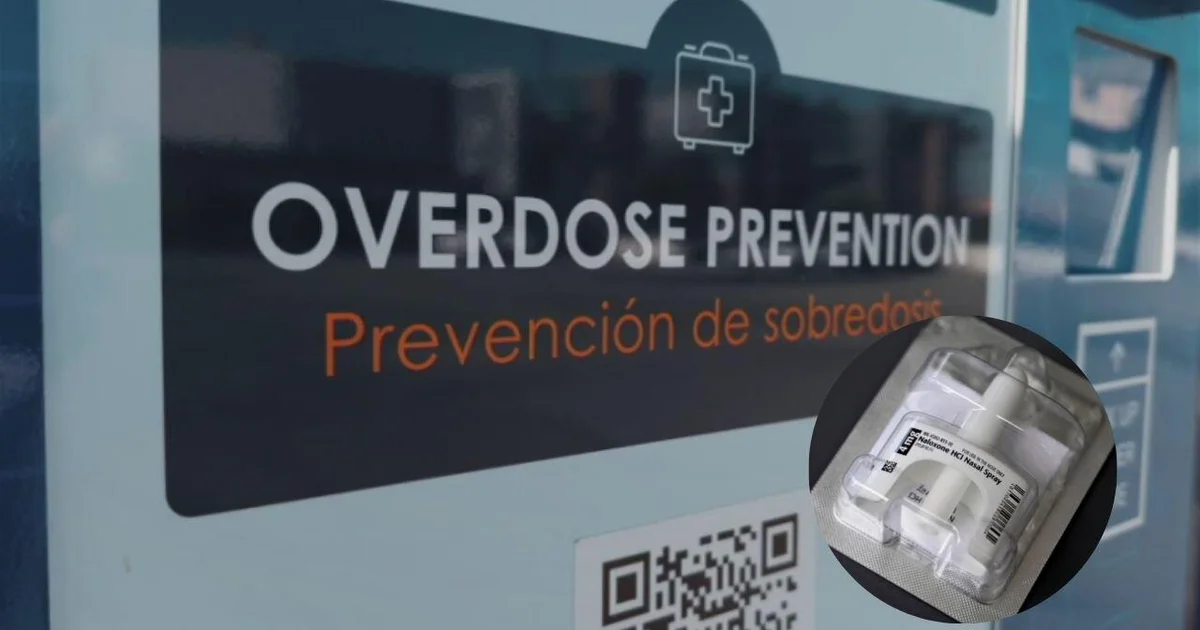
Los Angeles County allocates substantial funds annually for overdose prevention efforts, focusing on providing free access to naloxone, a medication that reverses the effects of opioid overdoses. While some critics argue that this approach may inadvertently enable addiction, data from the L.A. City Fire Department indicates that naloxone has saved numerous lives.
Since 2022, naloxone has been administered to over 25,000 individuals, with a survival rate of approximately 96%. The L.A. County Department of Public Health reports a significant decline in overdose deaths, particularly among the homeless population, attributed to increased prevention and treatment services.
Key details
- L.A. County spends millions each year on overdose prevention.
- Free access to naloxone is a key component of the county's strategy.
- Critics claim naloxone distribution may enable addiction.
- Proponents highlight the high success rate in preventing overdose deaths.
- Data shows that 24,503 of 25,461 patients treated with naloxone survived.
- This equates to a survival rate of approximately 96% since 2022.
- There was a 37% decrease in fentanyl-related overdose deaths in 2024 compared to 2014.
- The decrease in overdose deaths is linked to increased harm reduction and treatment services.
- Overdose mortality among the homeless decreased by 21%.
- Narcan is a commonly used brand of naloxone.
- California has allocated over $130 million to the Naloxone Distribution Project since 2022.
- Free naloxone and fentanyl test strips are available through various county initiatives.
Context
Dr. Barbara Ferrer, director of the L.A. County Department of Public Health, emphasized the effectiveness of naloxone in reversing overdoses almost instantaneously, reinforcing the importance of overdose prevention strategies in the county.
What happens next
As L.A. County continues its efforts to combat overdose deaths, it will likely maintain its focus on naloxone distribution and explore additional strategies to address addiction and support those affected by substance use disorders.
What we don't know yet
Details regarding the specific criticisms from individuals like John Alle and the broader implications of naloxone distribution on addiction rates are not confirmed.



Comments (0)
Leave a Comment