
Overview
Residents in Southeast Los Angeles County continue to face lead contamination issues in their yards, despite extensive cleanup efforts over the past decade. A recent study reveals that many homes near the former Exide Technologies battery recycling plant still have lead levels exceeding state safety standards.
The Exide facility, which operated for nearly a century, was responsible for significant lead pollution in the surrounding area. Although the state has invested substantial resources into remediation, the findings suggest that the cleanup may have been insufficient.
Key details
- The Exide Technologies plant in Vernon melted down lead-acid car batteries for nearly 100 years.
- State officials estimate that up to 10,000 properties were affected by toxic dust from the facility.
- The cleanup effort is recognized as the largest of its kind in the United States.
- The plant was permanently closed in 2015 and subsequently abandoned.
- The California Department of Toxic Substances Control has been overseeing the cleanup since 2016.
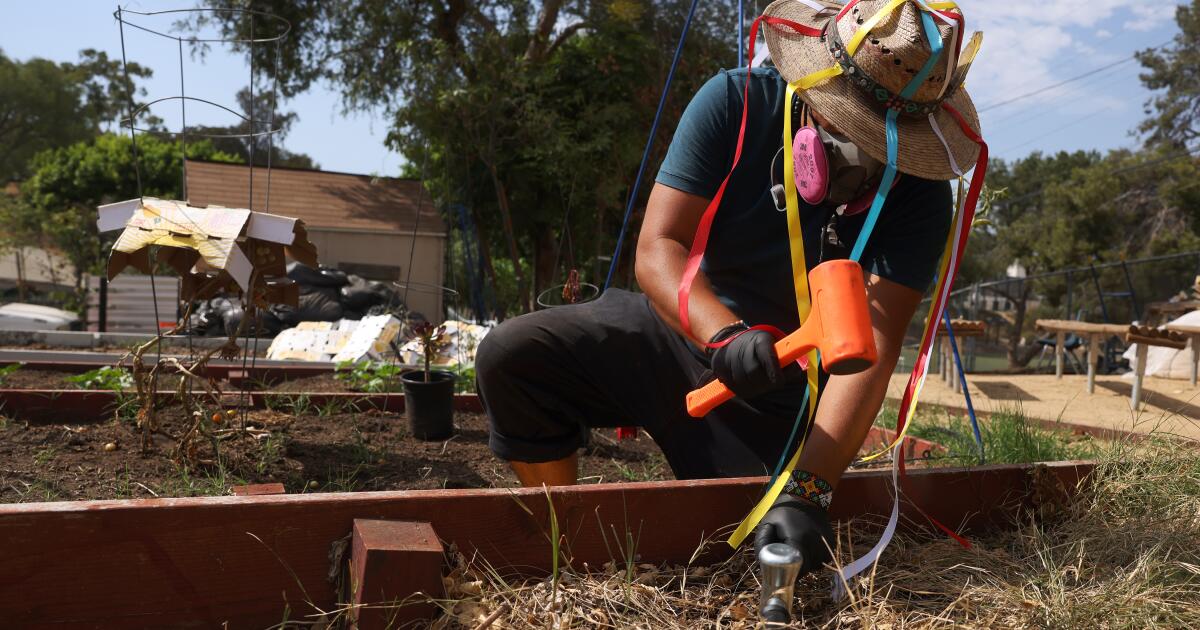
- Contractors have removed and replaced contaminated soil at homes, schools, and parks in seven communities, including Boyle Heights and unincorporated East L.A.
- A recent study tested over 1,100 soil samples from 370 homes in and around the designated cleanup area.
- Nearly 75% of the remediated homes had lead levels above California’s residential safety standards in at least one sample.
- Jill Johnston, lead author of the study, highlighted significant flaws in the cleanup process.
- Lead exposure poses serious health risks, particularly for young children, affecting brain development.
- The cleanup plan was intended to excavate up to 18 inches of contaminated soil from each property.
- More than 6,100 properties have undergone remediation, with over $700 million dedicated to the effort.
Context
Despite the extensive cleanup efforts, the persistence of lead contamination raises concerns about the effectiveness of the remediation strategies employed. The study's findings indicate that areas adjacent to buildings and other structures may not have been adequately addressed, leaving residents vulnerable to ongoing exposure.
What happens next
The state cleanup continues, but the findings from the recent study may prompt a reevaluation of current practices and additional measures to ensure the safety of affected residents. Ongoing monitoring and further testing may be necessary to address the concerns raised.
What we don't know yet
It remains unclear how many properties have been tested post-cleanup to confirm they meet state standards, and whether additional remediation efforts will be implemented in response to the study's findings.




Comments (0)
Leave a Comment