
Overview
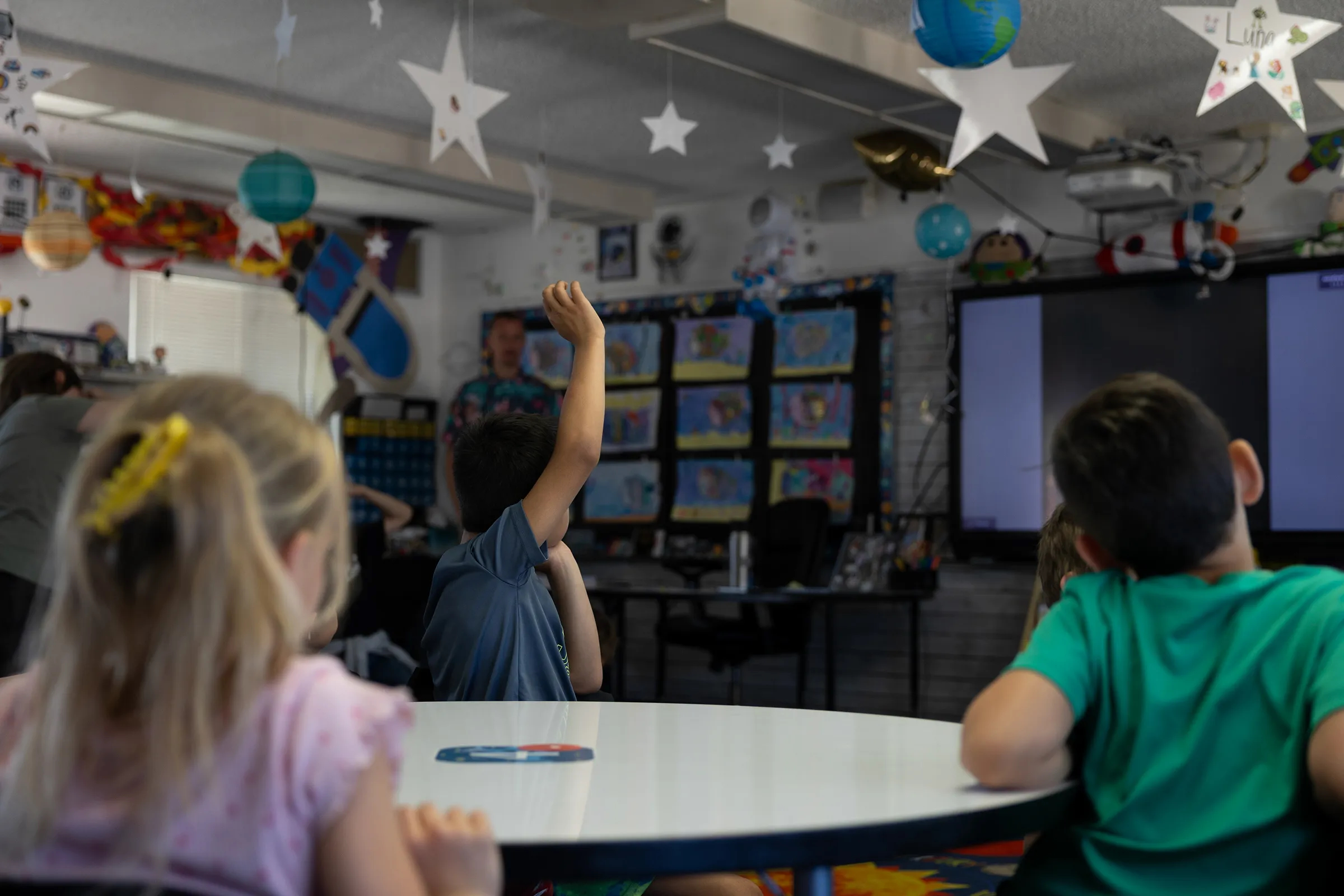
A recent report highlights significant gaps in student performance in California, attributing these issues to the state's funding system that grants school districts substantial control. The findings suggest a need for enhanced state oversight to improve accountability and governance.
The report, titled Getting Down to Facts, is an extensive analysis of California's K-12 education system, emphasizing the necessity for a coherent governance structure to foster continued progress.
Key details
- The Getting Down to Facts report is a comprehensive 1,000-page document authored by over a hundred K-12 education researchers.
- Linda Darling-Hammond, president of the State Board of Education and a report author, noted improvements in the education system but stressed the need for coherent governance.
- The report is published every 10 to 12 years and reviews the effectiveness of California's K-12 system.
- Researchers conducted extensive data analysis and interviews with various education stakeholders, including superintendents, principals, school board members, and parents.
- Key areas examined in the report include special education staffing, school closures, and high school overhauls.
- The timing of the report coincides with significant political changes, including the upcoming election of a new governor and state superintendent of public instruction.
- Artificial intelligence is anticipated to significantly impact student learning in the near future.
- California's K-12 system is recovering from the disruptions caused by the COVID-19 pandemic, which affected nearly all of the state's 5.8 million public school students.
- For over a century, California's school oversight has involved multiple entities, including the governor, Legislature, state superintendent, and state school board.
- The Local Control Funding Formula, implemented more than a decade ago, has given local districts increased authority over funding decisions.
- The report indicates that while progress has been made in California's education system, further advancements may require adjustments to local control governance.
- Susanna Loeb, a Stanford education professor and lead author of the report, highlighted the transitional phase of the K-12 school system.
Context
The report comes at a critical juncture for California's education system, as it faces evolving political dynamics and the need to adapt to new technological advancements and the aftermath of the pandemic.
What happens next
As the state prepares for new leadership and navigates changes in educational technology, the findings of the report may influence future policy decisions aimed at addressing the identified gaps in student performance.
What we don't know yet
Details regarding specific recommendations for governance changes and how lawmakers will respond to the report's findings are not confirmed.

Comments (0)
Leave a Comment