Overview
A new bill in California's legislature aims to ensure independent evaluations of significant education initiatives, addressing past criticisms regarding the state's rollout of educational programs. The bill mandates evaluations for any new initiative with a cost of at least $500 million annually or $1 billion in one-time spending.
Authored by Assemblymember David Alvarez, the bill also seeks to restructure the role of the state superintendent, who oversees the California Department of Education. Alvarez emphasizes the need for accountability in the wake of substantial investments in education, such as the recently implemented universal transitional kindergarten.
Key details
- The bill requires independent evaluations for new education initiatives costing $500 million or more annually or $1 billion in one-time expenditures.
- It is part of broader legislation aimed at restructuring the role of the state superintendent.
- Assemblymember David Alvarez is the bill's author and chairs the assembly subcommittee on education.
- The bill seeks to provide a built-in independent check on the effectiveness of large educational investments.
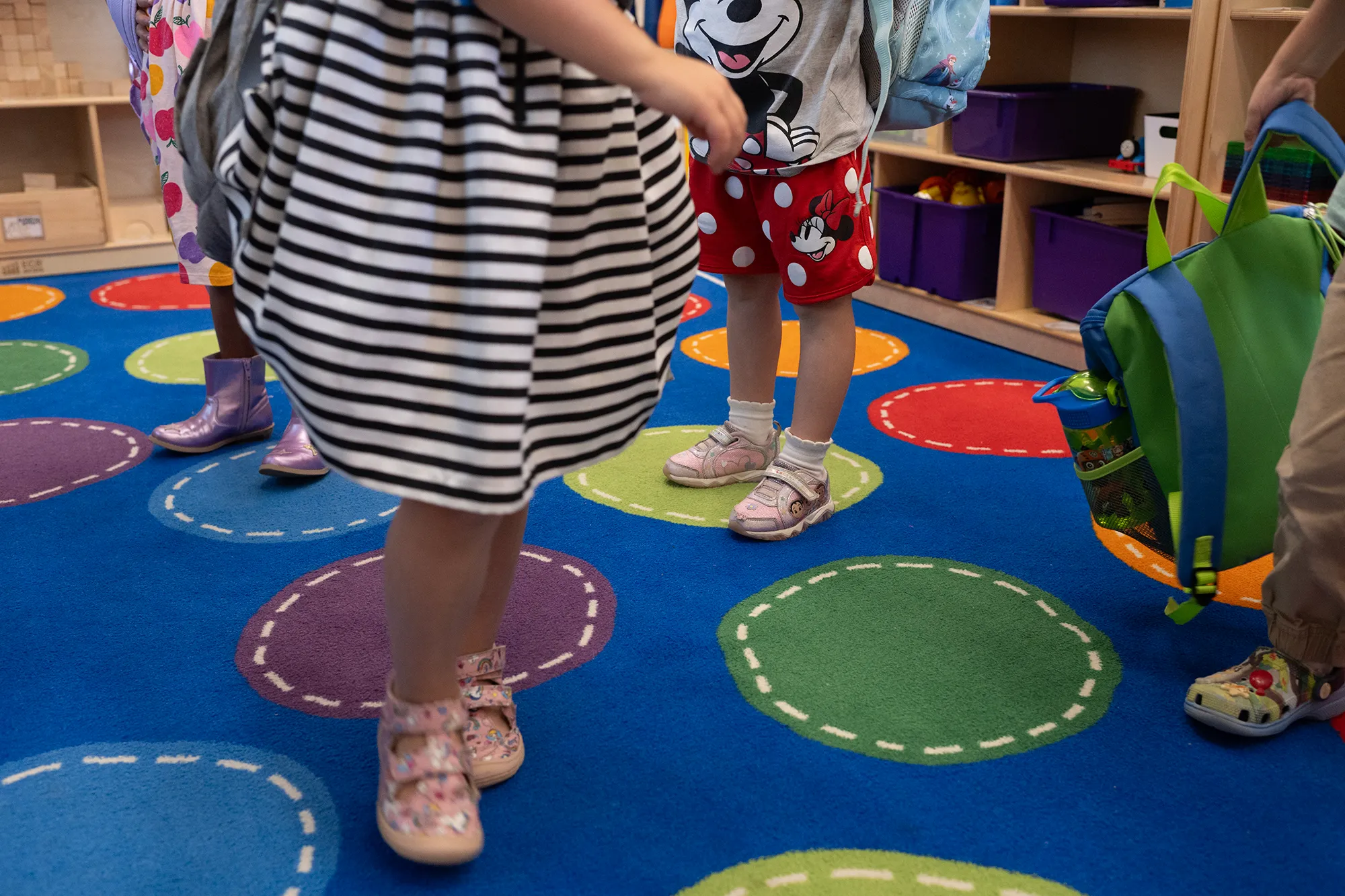
- California has invested significantly in programs like universal transitional kindergarten, which has received $3.9 billion this fiscal year.
- Prior to this bill, the state lacked formal plans to evaluate transitional kindergarten.
- Alvarez noted the absence of evaluation plans for transitional kindergarten during a recent hearing.
- The bill's amendments follow recommendations from the Policy Analysis for California Education and the Legislative Analyst’s Office.
- Alvarez believes mandatory evaluations are essential for new state spending initiatives.
- The current bill applies only to new initiatives, but the superintendent can order reviews of existing programs.
- Existing programs that may be reviewed include the Community Schools Partnership Program and the Expanded Learning Opportunities Program.
- Alvarez expressed hope for collaboration with the administration on evaluating significant programs.
Context
The push for independent evaluations comes after concerns were raised about California's management of educational initiatives, particularly regarding their effectiveness and accountability. The emphasis on early childhood education has been highlighted, especially with the introduction of transitional kindergarten.
What happens next
The bill is currently moving through the state legislature, and its progress will determine how the proposed evaluations are implemented and how they may impact existing educational programs.
What we don't know yet
Details on the specific mechanisms for the evaluations and the timeline for implementation are not confirmed. Additionally, it is unclear how existing programs will be prioritized for review.

Comentarios (0)
Deja un comentario