Overview
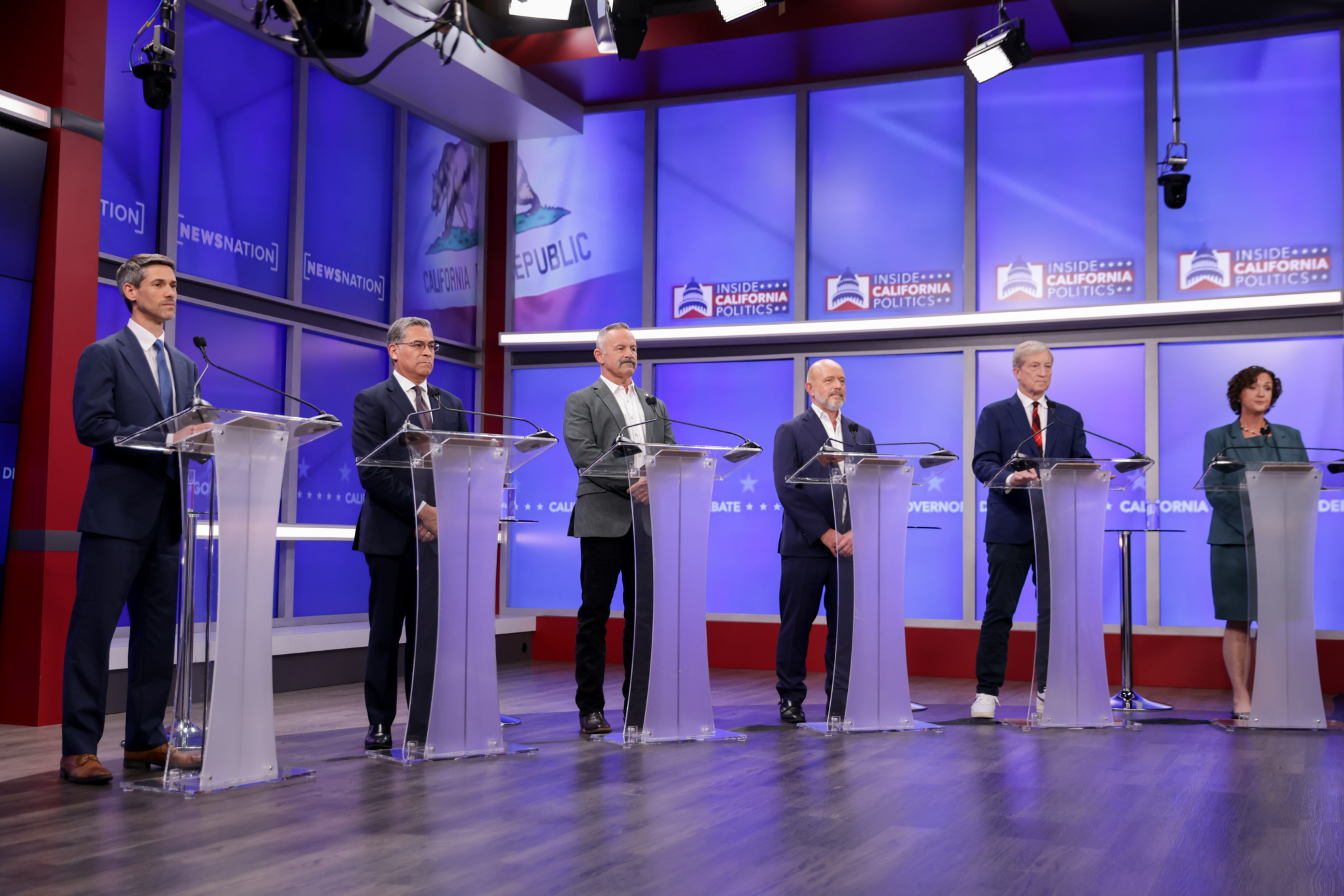
The race for California's governorship features a variety of candidates with differing perspectives on education funding and social issues. While education is not the primary focus of the campaign, candidates are presenting contrasting ideas regarding school funding, teacher accountability, and policies affecting transgender students.
The next governor will take office following a predecessor who prioritized education, significantly increasing funding and implementing various programs aimed at improving educational outcomes.
Key details
- Education is not a central issue in the gubernatorial race, but candidates have differing visions.
- Some candidates propose expanding school funding and offering free college education.
- Others advocate for stricter teacher accountability and restrictions on transgender students in sports.
- The previous governor increased K-12 per-pupil funding by 61% and invested in community schools.
- Universal transitional kindergarten was expanded to include all 4-year-olds under the previous administration.
- Free school meals were provided for all students, along with increased after-school and summer programs.
- Efforts were made to recruit more teachers and change reading instruction methods.
- Republican Steve Hilton is currently the front-runner, followed closely by Chad Bianco and several Democratic candidates.
- Polling shows Democrats Tom Steyer, Xavier Becerra, and Katie Porter among the leading candidates.
- Democrats Matt Mahan, Antonio Villaraigosa, and Tony Thurmond are polling at 4% or less.
- Eric Swalwell, a former front-runner, dropped out of the race due to allegations of sexual misconduct.
- A total of 61 candidates are competing in the June 2 primary, with the top two advancing to the general election on November 3.
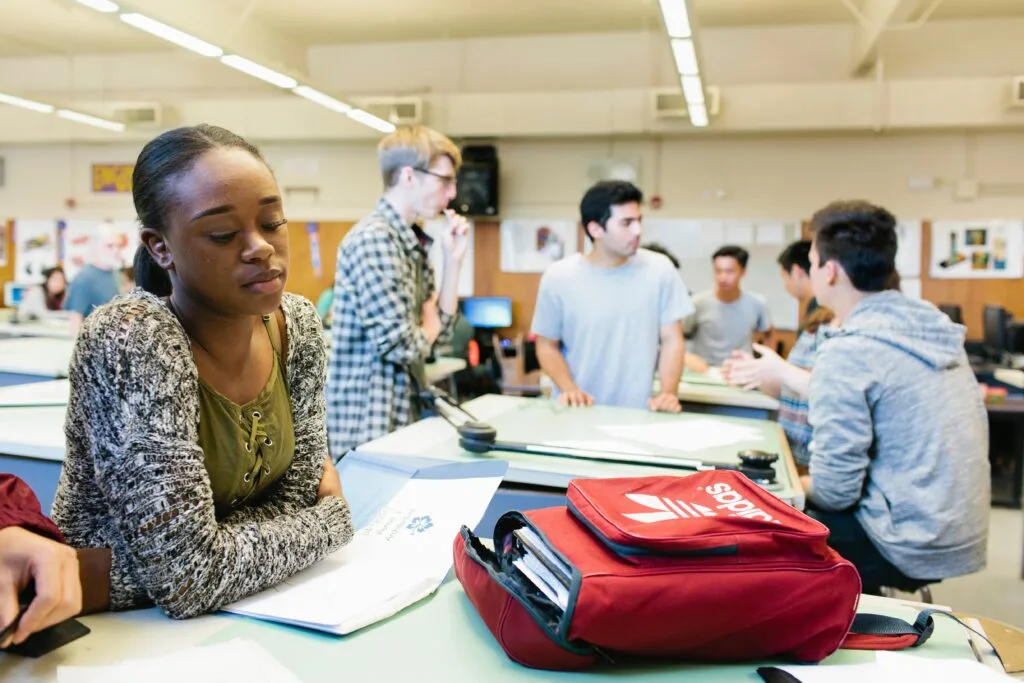
- All major candidates acknowledge that student test scores in California are unsatisfactory, with low proficiency rates in key subjects.
Context
Recent data indicates that only 49% of California students met proficiency standards in English language arts, while 37.3% and 32.7% met standards in math and science, respectively. Candidates are responding to these alarming statistics in their campaigns.
What happens next
The primary election is set for June 2, where voters will select candidates to advance to the general election on November 3. The outcome of the primary will significantly shape the future of education policy in California.
What we don't know yet
Details regarding specific policy proposals from all candidates, as well as the full implications of their education plans, remain unconfirmed.

Comments (0)
Leave a Comment