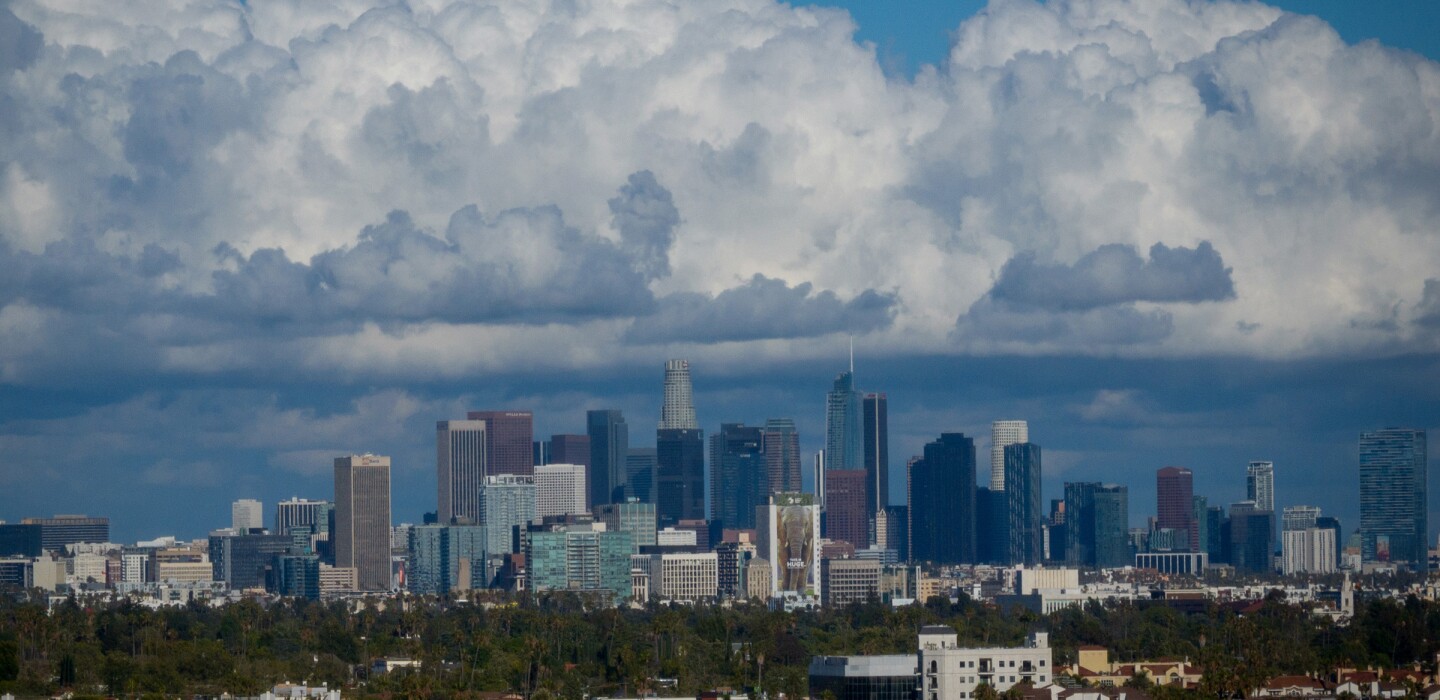
Overview
California's two largest cities are experiencing divergent trends, highlighting significant differences in their trajectories. This divergence raises questions about the future of urban development and governance in the state.
Key details
- California's two biggest cities are Los Angeles and San Francisco.
- The cities are heading in different directions.
- Differences in urban development are evident.
- Governance issues may be influencing these trends.
- Economic factors could also play a role in the cities' trajectories.
- Demographic changes may impact the future of both cities.
- Public policy decisions are likely affecting the direction of each city.
- Community responses to local issues may vary between the cities.
- Infrastructure developments are crucial to the cities' growth.
- Social challenges may differ in each urban area.
- Environmental policies might influence urban planning in both cities.
- Public safety concerns could shape future governance.
Context
The contrasting paths of Los Angeles and San Francisco reflect broader trends in urban America, where cities face unique challenges and opportunities.
What happens next
The ongoing developments in both cities will likely continue to evolve, impacting residents and local governance.
What we don't know yet
Details regarding specific factors influencing these trends, such as economic data or demographic statistics, are not confirmed.


Comentarios (0)
Deja un comentario