Overview
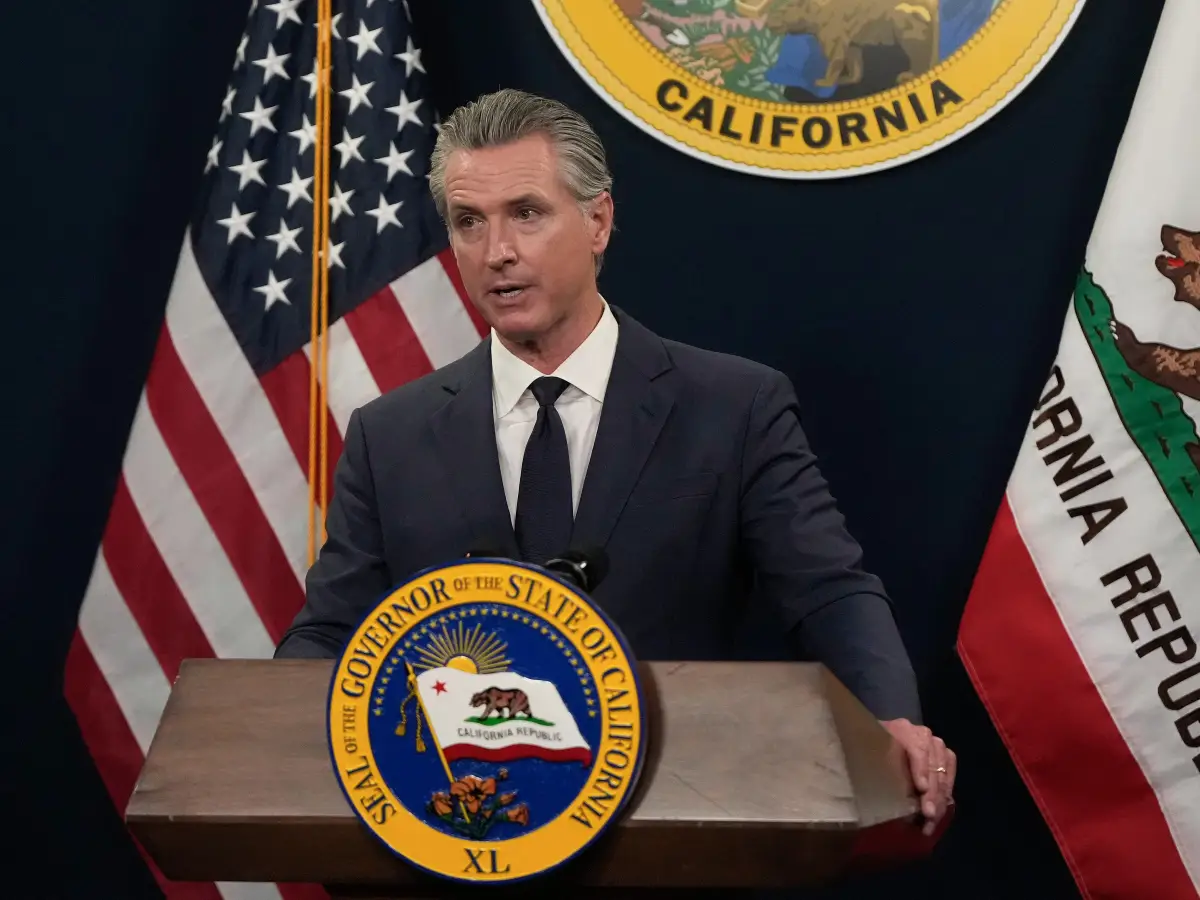
California Governor Gavin Newsom has proposed a new tax on digital prewritten software, aiming to expand the state sales tax to include online purchases. This move could significantly impact software as a service (SaaS) and software companies, which are already facing challenges in the market.
Newsom expressed his realization that consumers pay sales tax on software purchased in physical stores but not for online downloads. He highlighted the fairness issue this creates, especially for those living near retail locations.
Key details
- Governor Gavin Newsom proposed a digital software tax in California.
- The proposal aims to expand the state sales tax to cover digital prewritten software.
- Newsom noted that consumers pay a 7.25% sales tax on software bought in stores but not online.
- He mentioned his frequent visits to Best Buy, where he pays sales tax on software purchases.
- Major companies like Microsoft and Salesforce could be affected by this tax.
- The proposal follows a significant downturn in the software sector known as the SaaSpocalypse.
- Newsom's tax proposal requires approval from the California legislature.
- If approved, the new tax could take effect on January 1, 2027.
- According to Newsom, 35 other states already tax digital prewritten software.
- 24 states currently impose a SaaS tax.
- Newsom's office estimates the tax could generate $450 million for the state budget in the current year and $900 million in future years.
- Local tax revenues from the proposed tax are estimated at $560 million this year and $1.1 billion in subsequent years.
Context
Newsom's proposal is part of a broader $350 billion spending plan aimed at eliminating the state's budget deficit for the next two years. His administration's focus on taxing digital software reflects ongoing changes in consumer behavior and the evolving landscape of the software industry.
What happens next
The proposal will be presented to the California legislature for consideration. If lawmakers approve it, the new tax could be implemented in 2027, potentially reshaping the financial landscape for software companies operating in the state.
What we don't know yet
Details about the specific legislative process and timeline for approval are not confirmed. Additionally, the potential reactions from the software industry and consumers remain unclear.



Comments (0)
Leave a Comment