Overview
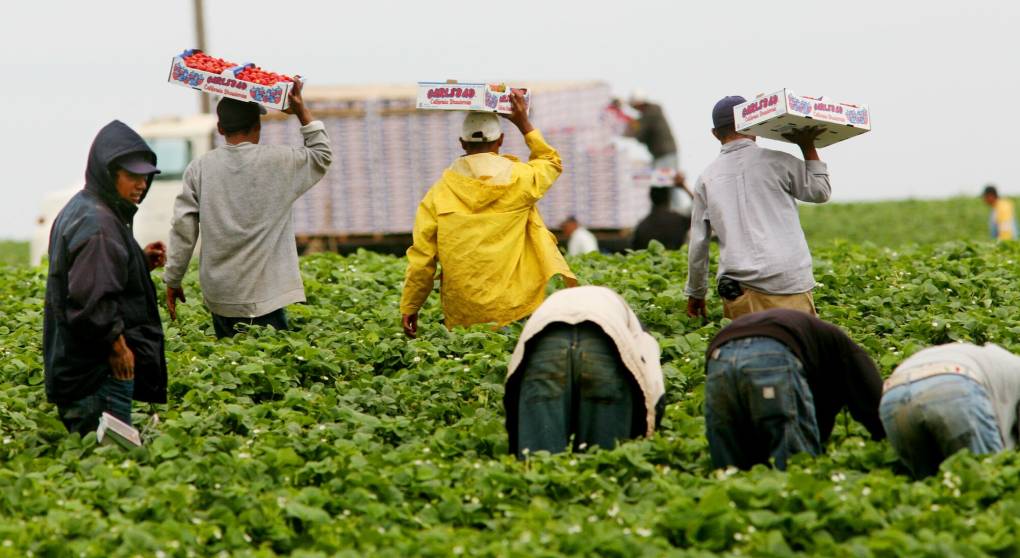
A significant alteration to the H-2A farmworker visa program is igniting discussions among California's agricultural communities. The program permits farms to employ temporary workers from abroad, but recent changes have raised concerns about wage reductions and their implications for local workers.
Supporters of the changes argue that they provide essential support for farmers dealing with increasing labor expenses, while opponents claim that the adjustments threaten the livelihoods of local farmworkers.
Key details
- The H-2A program allows farms in California to hire temporary workers from other countries.
- A change initiated by the Trump administration has modified how these workers are compensated.
- The United Farm Workers union has filed a lawsuit in response to the wage changes.
- Proponents of the new rule assert it aids farmers facing rising labor costs.
- Critics argue that the changes constitute a wage cut that could displace local workers.
- Cesar, a 45-year-old farmworker in Salinas, expressed concern over the influx of guest workers and its impact on his job.
- Cesar's work hours have been significantly reduced, sometimes to just 16 hours per week.
- Daniel Costa from the Economic Policy Institute estimates that U.S. and migrant farmworkers could lose between $4.4 billion and $5.4 billion due to the wage changes.
- Previously, many California farmworkers earned around $20 an hour, but the new rule could lower base wages to approximately $16.90.
- UFW President Teresa Romero emphasized that even a small wage reduction could severely affect workers' ability to support their families.
- Farm industry advocates caution that the full impact of the changes is not yet clear.
- In a separate incident, Carlos Ivan Mendoza Hernandez, who was shot during an arrest by immigration officers, pleaded not guilty to federal charges related to the incident.
Context
The H-2A program has long been a crucial component of California's agricultural labor force, allowing farmers to supplement their workforce with temporary foreign labor. The recent changes have raised alarms about the potential economic implications for both local workers and the agricultural sector.
What happens next
The lawsuit filed by the United Farm Workers will likely unfold in the coming months, as stakeholders await further developments regarding the wage changes and their effects on farmworkers in California.
What we don't know yet
Details regarding the specific timeline for the lawsuit and any potential responses from the federal government or agricultural advocates are not confirmed.


Comentarios (0)
Deja un comentario